
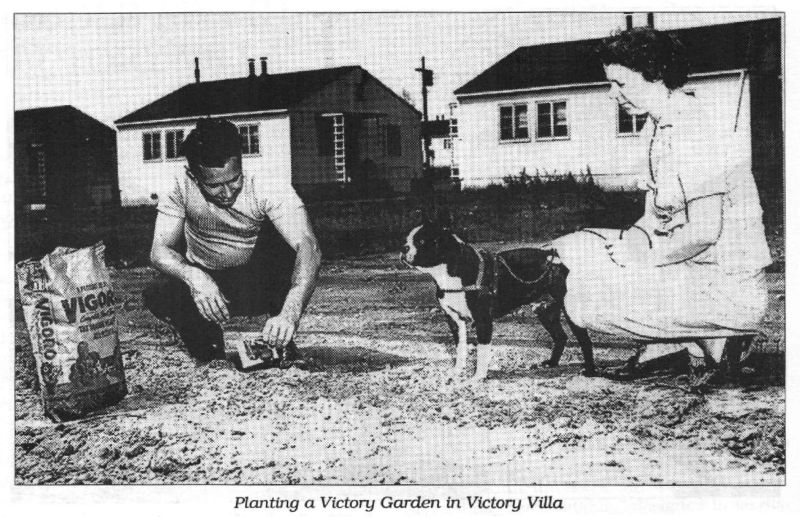
Before it was a quiet suburb, Middle River, Maryland, was the beating heart of America’s industrial war machine. During World War II, a quiet stretch of land was transformed overnight into a bustling, 24-hour boomtown dominated by the iconic Glenn L. Martin Company. In this fascinating historical retrospective, “A History of Wartime Middle River” by Professor Jack Breihan, we take a deep dive into the human wave of migration, the frantic round-the-clock manufacturing, and the community spirit that helped reshape the landscape of Baltimore County forever. 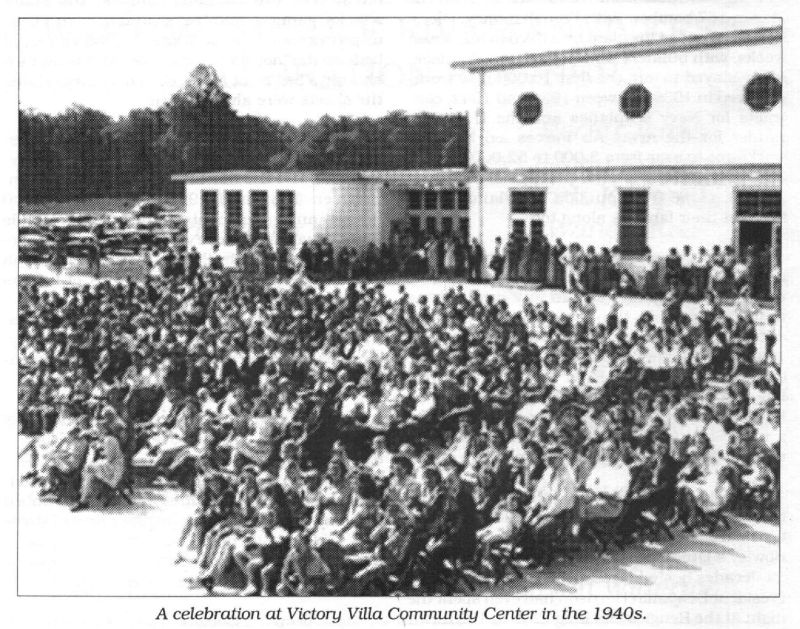
The Ultimate Boomtown Transformation
At the center of Middle River’s wartime history is the staggering growth of the Glenn L. Martin Company aircraft plant. To meet the monumental demands of the Army Air Forces, the facility underwent an unprecedented expansion. The workforce skyrocketed almost overnight from a modest 3,500 employees to a staggering 53,000 workers, forever altering the demographics of the region. Builders worked around the clock for weeks on end to erect factories and housing to support this sudden industrial juggernaut.
The Great Migration and Community Shift
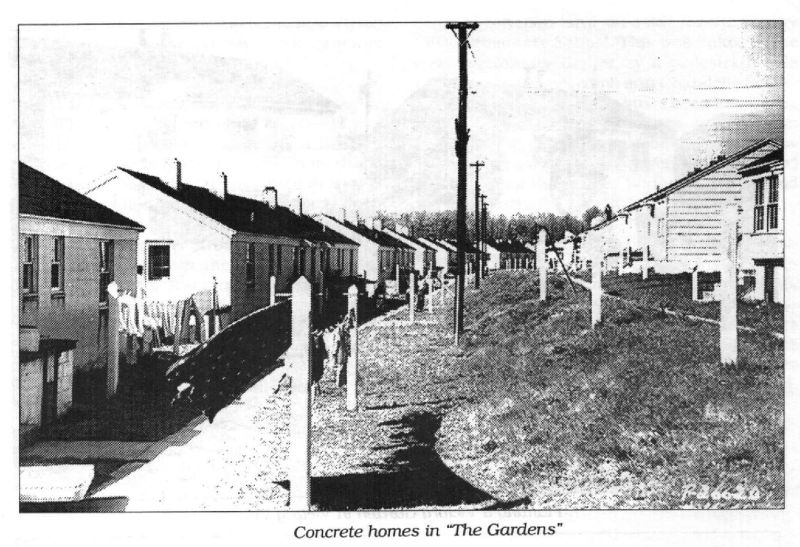
This rapid expansion triggered what historians refer to as a “human wave” of migration. Tens of thousands of newcomers—including a significant influx of women workers (the famous “Rosie the Riveters”) and families from across the country—packed their bags and moved to Middle River. This sudden population explosion required the immediate construction of massive defense housing projects, schools, and shopping centers, turning a rural area into a dense, vibrant, and self-sustaining community dedicated entirely to the war effort.
A Legacy of Production and Pride
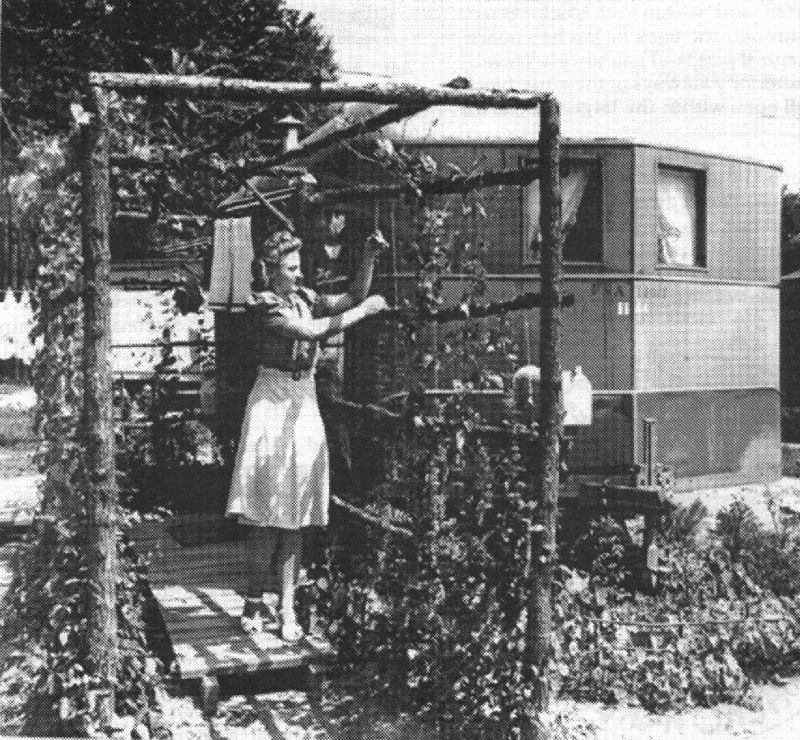
The document beautifully captures the dual nature of Middle River’s wartime era: the grueling, high-stakes pressure of aviation manufacturing and the rich community life that bound the residents together. From building legendary bombers to navigating the challenges of rationing and overcrowded housing, the people of Middle River forged a unique identity. This history serves as a proud reminder of how a local neighborhood answered the call of duty, leaving behind a legacy of innovation and community resilience that still echoes today.
Museum photos and clippings come from the Heritage Society Baumgartner Archives and other sources, scanned by Rita Gaunt, museum photos by Sue Carter and additional research by archivist Scott Huffines.
This print archive captures a historical snapshot of life in Essex and Middle River, Maryland. The archive contains nearly 300 categorical binders documenting our community activities with articles, pamphlets, and photographs from 1969 through the 1980s. The Heritage Society has been scanning the collection to our website to share with our extended community.
As we continue to build new collections, we are seeking new materials such as photographs and ephemera that pertain to the community and business history of Essex and Middle River. Please contact essexmuseum@gmail.com if you have historical memories or items to donate or would like to become a member.
Read more about the Heritage Society Baumgartner Archives.